
Story created by the Northeast Communicators Network
As food prices rise and access to healthy options remains uneven, families across the Northeast continue to face mounting challenges tied to food security, chronic disease and limited nutrition knowledge. Barriers to healthy eating that can affect both immediate well-being and long-term health outcomes heighten these pressures.
Land-grant universities across the region are addressing these challenges through the Expanded Food and Nutrition Education Program (EFNEP), a USDA-supported initiative that delivers research-based, responsive nutrition education to adults, youth and families. From urban neighborhoods to rural communities, EFNEP programs are helping participants build practical skills that support healthier diets, stronger household budgets and more active lifestyles.
Meeting Families Where They Are
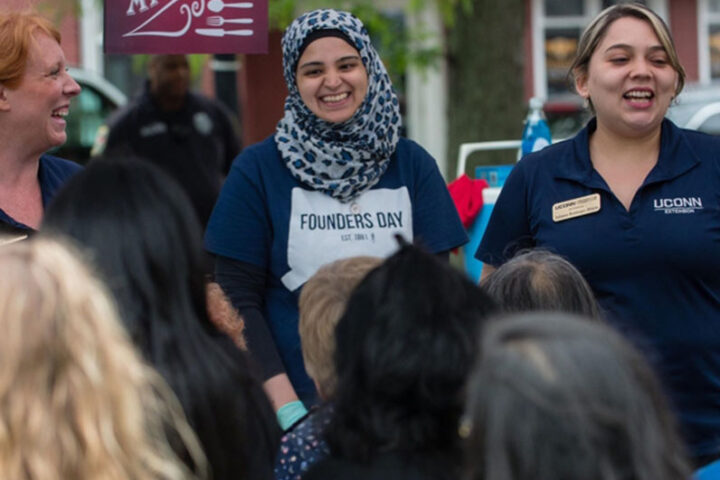
In Connecticut, UConn Extension’s EFNEP reached 327 adults and 478 youth in fiscal year 2025, focusing on communities most affected by rising food costs and food security issues. More than 70% of adult participants reported receiving public assistance, and many identified Spanish-language or online learning as essential to participation.
The Connecticut team expanded virtual and bilingual programming statewide, delivering an average of 11 lessons to adult graduates and more than six lessons to youth. Participants showed measurable improvements in diet quality, food resource management and physical activity, with adult graduates increased Healthy Eating Index scores and collectively saved thousands of dollars on food costs.
Similar efforts are underway in Delaware, where the University of Delaware’s EFNEP engaged 1,288 youth through schools, 4-H programs, summer camps and after-school settings. Cooking demonstrations and hands-on activities helped children in grades three through eight build confidence in preparing simple, nutritious foods while learning the importance of physical activity and food safety. Post-program evaluations showed strong gains in nutrition knowledge and healthier behavior choices among participating youth.
Supporting Health and Stability in Communities
In southern West Virginia, where food security challenges and diet-related chronic disease remain persistent concerns, West Virginia State University Extension partnered with recovery programs and community centers to expand EFNEP access for adults. Through an eight-class, USDA-approved curriculum, participants received hands-on instruction in nutrition, cooking and wellness.
Nearly all participants showed improvements in dietary behaviors and food resource management, while many also reported better physical activity habits, food safety practices and food security. For individuals in recovery, the structured lessons helped establish healthier routines that support long-term stability and overall well-being.
UMaine Extension delivered EFNEP programming to parents, caregivers and young adults throughout Maine, reaching more than 800 individuals within participating families. After completing an average of seven hours of instruction, adults reported eating more fruits and vegetables, planning meals more consistently and stretching food dollars further. On average, families saved $74 per month on food costs, while also increasing physical activity and improving food safety practices.
A Regional Investment in Health and Resilience
Across the Northeast Region, EFNEP outcomes point to a shared public value: empowering families with practical skills that improve health, reduce financial strain and strengthen community resilience. By emphasizing culturally relevant education, community partnerships and evidence-based curricula, land-grant institutions are advancing a regional approach to nutrition education that supports healthier people and more stable households.
These efforts align with broader Northeast priorities to promote community health and build systems that help residents adapt to economic and social pressures. As families apply what they learn in EFNEP classrooms to their kitchens and daily routines, the benefits extend beyond individual participants—supporting stronger communities and a healthier, more resilient Northeast.